For movers loading only, plan to provide the truck, packed belongings, and property access unless the written estimate assigns an item to the mover. The mover should provide only the labor, equipment, and tasks named in that document. A clear split prevents loose boxes, missing pads, or unlisted work on moving day.
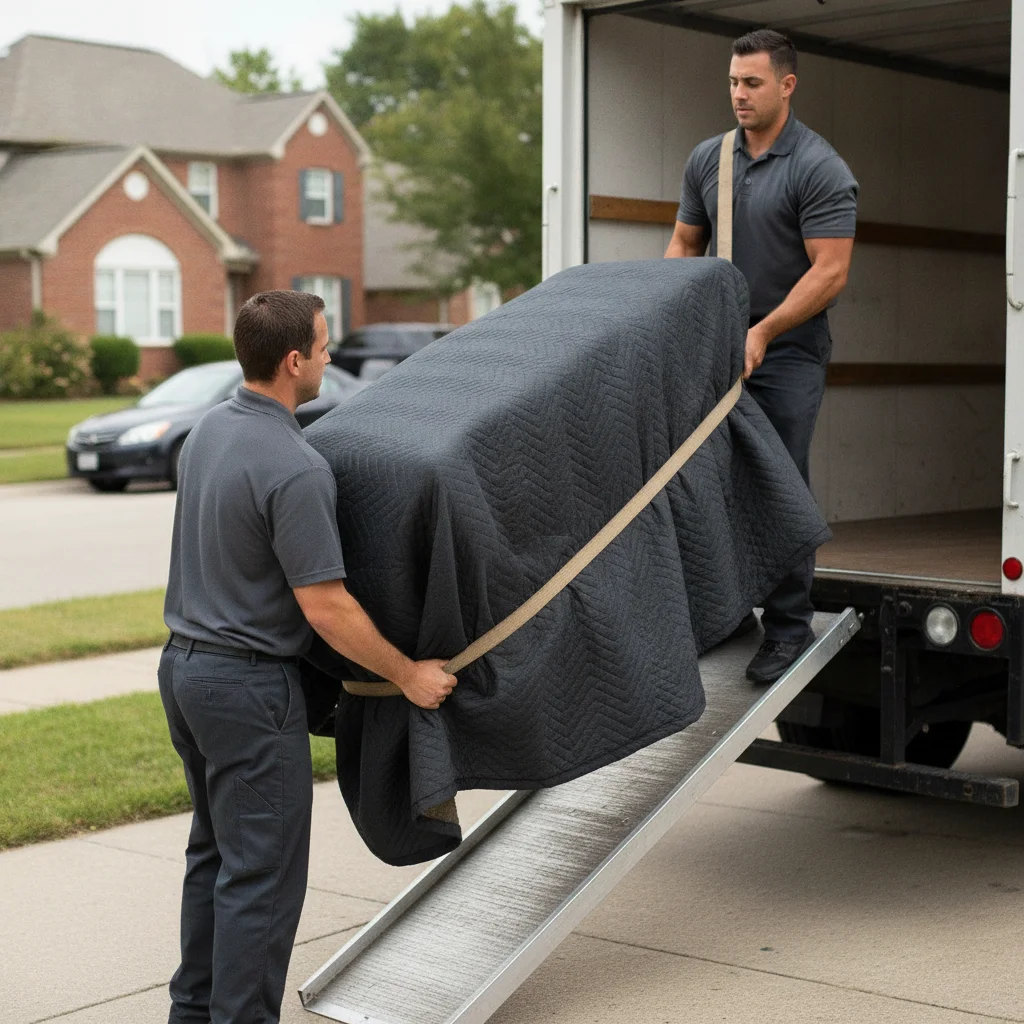
Decide whether loading-only help fits the move
Loading-only help fits when you can manage the vehicle and most preparation. You rent or provide the truck, trailer, or container. A moving company supplies the labor described in its written estimate. You may also arrange the driving and unloading separately.
This setup can suit a San Diego apartment move, a military relocation, or a container shipment. It can also work when friends handle one end of the trip. The important point is control. One person needs to manage the truck reservation, keys, parking, access, packing, and unloading plan.
Start by listing every part of the move. Include packing, furniture preparation, carrying, loading, driving, storage, unloading, assembly, and debris removal. Mark each task as yours, the mover’s, or another company’s. Don’t assume “loading” includes packing, disassembly, supplies, or work at the destination.
Check both properties before you book labor. A Downtown San Diego building may involve a garage, loading dock, or elevator reservation. A Pacific Beach address may have limited curb space. A Chula Vista HOA may control where a truck can stand. Ask the property manager or HOA for its current requirements because each property sets its own process.
Loading-only help becomes a poor fit when major tasks remain undecided. It may also be the wrong choice if you don’t want responsibility for the vehicle or the drive. Compare the arrangement with labor-only moving services before choosing. The written scope should match the move you’re actually planning.
Identify who provides the truck and equipment
The customer usually controls the rental vehicle in a loading-only arrangement. Still, don’t rely on the service label. Put the vehicle responsibility in writing, including who reserves it, collects it, drives it, fuels it, and returns it.
Confirm the truck’s cargo dimensions, load limit, ramp, and pickup terms with the rental company. Give the mover the vehicle details before labor begins. A truck without a ramp creates a different loading plan than one with a ramp. A container also differs from a truck because its opening, floor height, and tie-down points may vary.
Create a responsibility list for every piece of equipment:
- Moving pads or furniture blankets
- Tie-down straps and rope
- A hand truck or appliance dolly
- Furniture dollies
- Shrink wrap and tape
- Mattress bags
- Basic furniture tools
- Floor or doorway protection
Write “customer,” “mover,” or “rental company” beside each item. If the mover agrees to bring something, make sure it appears in the estimate or work order. If you’re supplying it, check that it’s physically present before the scheduled labor period.
Access belongs on the same list. Note garage clearances, gates, stairs, elevators, loading docks, curb distance, and the path from the home to the vehicle. Don’t assume the truck can occupy a driveway, fire lane, alley, or loading area. Confirm permission with the property owner, manager, HOA, rental company, or appropriate local office.
Equipment and access affect how the shipment can be arranged. Share those details early, then review this moving truck loading guide so your vehicle choice and preparation support the planned load.
Prepare boxes and furniture before labor begins
Loading-only movers arrive for the tasks named in the agreement. Your belongings should match that scope. If packing isn’t included, close and secure every box before the labor period begins. Label each box by room and note delicate contents in plain language.
Keep boxes manageable and structurally sound. Replace containers that are crushed, damp, open, or overfilled. Put loose items into closed containers instead of leaving them in bags or piles. Set aside documents, medicine, keys, electronics, and anything else you plan to carry personally.
Furniture needs the same clarity. Ask the mover which pieces must be emptied, disassembled, wrapped, or prepared before loading. Provider policies differ. Don’t assume a dresser may remain full or a bed will be taken apart. Record any agreed disassembly or wrapping in the written scope.
If you disassemble furniture yourself, place the hardware in labeled bags. Keep those bags with you or attach them according to the mover’s instructions. Photograph complicated assemblies for your own reference. Mark parts that belong together.
Create a clear staging plan inside the home. Keep items for the truck separate from donations, trash, landlord property, and personal luggage. Identify anything that must load first or unload first. Tell the mover about fragile, unusually shaped, or heavy pieces before the appointment.
Finally, prepare the route. Open the access points you are allowed to use and handle any property-specific reservations. Keep children and pets in a separate supervised area. The goal is simple: the mover should see a defined shipment, a defined path, and a vehicle ready for the agreed work.

Build an inventory for the written estimate
A useful estimate starts with a useful inventory. “One apartment” doesn’t explain the actual shipment. List the furniture, appliances, boxes, outdoor items, and unusually large pieces that need loading. Include approximate dimensions when an item’s size isn’t obvious from its name.
Organize the inventory by room. Separate items that require disassembly, special handling, or a particular loading position. Mention safes, exercise equipment, large mirrors, artwork, glass furniture, and adjustable beds. The mover needs to decide whether each item fits the offered scope.
Photos can make the inventory clearer. Send wide views of each room, then add close views of bulky items and access points. Include the truck location, stairs, gates, elevators, hallways, and loading path. Photos don’t replace written details, but they can reveal conditions that a short item list misses.
Add the truck or container information. Record its provider, interior dimensions, stated load limit, door style, ramp details, and tie-down points using the rental company’s documents. Don’t ask the labor provider to guess whether an unknown shipment will fit an unknown vehicle.
The estimate should identify the addresses, loading tasks, equipment, scheduled labor terms, and exclusions. It should also state how changes are handled. If your inventory grows, contact the mover and request an updated document. Don’t assume extra boxes or furniture fall under the original scope.
Read the final estimate before accepting it. Confirm that verbal promises appear in writing. Check the company name against the company you intend to hire. For a California-only household move, use the BHGS Household Mover License Search to check the mover’s current license status.
Confirm responsibility and coverage before loading
Loading, transportation, and unloading can involve different parties. Treat each party’s paperwork separately unless the documents state otherwise. A truck rental agreement doesn’t explain the labor provider’s responsibilities. A loading estimate doesn’t automatically describe what happens while you drive.
Ask the mover to address specific situations in writing. These include damage during loading, damage to the property, customer-packed boxes, cargo movement in transit, and unloading by another company. Ask what documentation the mover wants before work begins. Keep copies of the inventory, estimate, photographs, and signed documents.
For a move that begins and ends in California, BHGS regulates the household mover. We couldn’t confirm the specific California valuation terms that may apply to your loading arrangement. Ask the mover to identify its responsibility and valuation terms in writing. You can also review BHGS consumer information before signing.
Interstate moves fall under a different system. FMCSA regulates interstate household-goods transportation and provides Protect Your Move resources. Federal valuation figures apply to interstate household-goods moves under FMCSA. They shouldn’t be used to describe a California-only loading job.
This distinction matters when the labor provider never transports your belongings. Ask whether the company is acting only as a loading service or also as the carrier. Confirm which document governs each stage and which party receives a damage notice.
Review the vehicle agreement too. Ask the rental company what its terms cover, what they exclude, and what documentation it requires. Don’t rely on the word “insurance” without reading the actual agreement. The final plan should name who controls the truck, who loads it, who drives it, who unloads it, and where each responsibility begins and ends.
When to call us
Call when heavy furniture, difficult access, or a tightly packed rental truck makes professional moving labor the better fit. Call us at (858) 400-4069 and we’ll connect you with a licensed local mover.